Sunday, September 22, 2024

How to Process Emotional Trauma from Divorce: A Step-by-Step Guide

Divorce can feel as heavy as losing a loved one. Many women deal with sadness, anger, and loneliness long after the divorce is finalized. If you've been through this, know you're not alone. About 40-50% of marriages end in divorce, causing emotional trauma for many.


In this guide, we'll look at emotional trauma from divorce. We'll also provide a step-by-step guide to help you heal. This will make room for you to rediscover yourself.


It's important to understand the sadness that follows divorce. Emotional trauma can show up as anxiety, depression, and trust issues. But, recovering from divorce trauma is more than just untangling emotions. It's about rebuilding your life with purpose.


This article aims to guide you through this tough time. We'll give you the tools and insights you need. This will help you navigate this chapter and come out stronger.


Trauma-from-Divorce


Key Takeaways

  • Approximately 40-50% of marriages end in divorce, impacting many emotionally.

  • Emotional trauma from divorce can present as anxiety, melancholy, and loneliness.

  • Seeking professional help, such as counseling, is essential for recovery.

  • Creating supportive networks with family and friends can alleviate feelings of isolation.

  • Acknowledge your emotional wounds to foster resilience and healing.


Understanding Emotional Trauma from Divorce

Divorce can deeply affect your mental and physical health. It's key to understand this trauma to start healing. You might feel a mix of emotions and symptoms that can be hard to handle.


The psychological effects can show up right away or later. They can leave a lasting impact on your life.


What is Emotional Trauma?

Emotional trauma comes from big life events, like divorce. The American Psychological Association says a divorce happens every 36 seconds in the U.S.. People often feel grief, guilt, shame, and anxiety during and after a divorce.


Divorce can also cause physical problems. These include muscle aches, digestive issues like Irritable Bowel Syndrome, and trouble sleeping. These signs show how our mental and physical health are connected.


Why Divorce Can Be Traumatic

Divorce is more than just a legal split; it's a big emotional loss. It can feel like losing someone, especially when you lose shared dreams and identity. Infidelity or betrayal can make you feel lost and powerless.


Studies show that divorce trauma can be similar to the effects of severe stress, like military combat. Understanding these emotional aspects is important as you work towards healing.


Recognizing the Signs of Trauma from Divorce

It's key to spot the signs of trauma from divorce to start healing. These signs can show up in many ways, like physical, emotional, and behavioral changes. Knowing these signs helps you get help and move forward faster.


Physical Symptoms

Physical signs can warn you that your body is under stress. You might feel:

  • Fatigue

  • Digestive issues

  • Muscle pain

  • Headaches

  • Sleep problems, like insomnia and nightmares


These signs can come from too much stress hormone, like cortisol, affecting your mind.


Emotional Symptoms

Emotional signs of trauma can really mess up your life. You might feel:

  • Deep sadness and guilt

  • Extreme anxiety

  • Feeling numb


Divorce can make you feel unstable and scared. It's important to notice these emotional signs to start healing. Everyone's experience of trauma is different.


Behavioral Changes

After divorce, you might act differently as a way to cope. You might:

  • Stay away from friends and family

  • Turn to bad habits, like drinking too much or eating too much

  • Have trouble focusing or making choices


These changes often show a deeper emotional struggle. Spotting these signs can help you find support and heal together, not alone.

Steps to Begin Healing from Divorce Trauma

Healing from divorce trauma is a personal journey that needs a structured approach. It's key to embrace trauma recovery steps to move forward. Two important strategies include taking things one day at a time and making a detailed plan for life.


Trauma-from-Divorce-1


Taking It One Day at a Time

After a divorce, healing slowly is crucial. Many feel sad, angry, and confused. By focusing on one day at a time, you can handle overwhelming emotions. Setting small, achievable goals helps in overcoming divorce trauma and gives you a sense of accomplishment.


Creating a Business Plan for Life

Creating a detailed "business plan for life" can help during tough times. This plan should have SMART (Specific, Measurable, Achievable, Relevant, Time-bound) goals for emotional health and financial stability. Organizing your plan in a table can make it clear and give you direction:

By tackling your goals and activities step by step, you can better handle divorce's emotional impact. Getting help from divorce trauma therapy and building a support network are key parts of healing. Remember, seeing emotional trauma as a big part of recovery helps you heal and grow. Be patient with yourself as you start this journey.


Building a Support System for Your Recovery

Creating a strong support system is crucial for healing after a divorce. Having reliable friends and family can give you the emotional support you need. It's comforting to know you're not alone in this tough time.


The Importance of Social Connections

Keeping your relationships strong can make you feel more connected. It helps reduce feelings of loneliness. Talking to loved ones can help you share your feelings and gain new insights.


Finding Divorce Support Groups

Joining divorce support groups can be very helpful. These groups offer a place to share experiences and get encouragement. They provide tools and strategies to deal with challenges like managing your child's feelings during a divorce.


Professional Help: Therapy and Coaching

Seeking help from a therapist or coach can be very beneficial. They offer insights and coping strategies tailored to your needs. Therapy provides a safe space to express feelings and get feedback, helping you grow personally.

Healing is easier with a supportive network and professional help. Remember, asking for help is a step towards healing your emotional well-being.


Self-Care Strategies to Cope with Emotional Pain

Understanding the importance of self-care after divorce is key to healing. Mindfulness and relaxation techniques help manage stress and anxiety. Activities like deep breathing, yoga, and meditation help you connect with your feelings.


These practices create a calm space for emotional healing.


Practicing Mindfulness and Relaxation Techniques

Regular physical activity is also crucial for emotional healing. Exercise boosts your mood and reduces depression. It helps build resilience against divorce trauma.


By adding workouts to your routine, you strengthen your body and mind.


Exploring New Hobbies and Interests

Discovering new hobbies or revisiting old passions can be rewarding. Creative outlets offer a distraction and bring joy. They help you feel accomplished and happy.


Embracing these strategies comforts you and supports your emotional recovery. For more help, check out HelpGuide and Talkspace for practical advice and support.


FAQ


What is emotional trauma from divorce?

Emotional trauma from divorce is the psychological impact you feel after a big relationship ends. It can make you feel shocked, betrayed, sad, and lost. This trauma can affect you right away and for a long time.


What are some signs of trauma from divorce?

Signs of trauma from divorce include feeling tired, having stomach problems, feeling sad or anxious, and changing how you act. It's important to notice these signs to start getting better.


How can I begin healing from divorce trauma?

Healing starts with small steps each day. Making a plan for your life with clear goals can help. Focus on taking care of your emotional health and other areas of your life.


How can I build a support system for my recovery?

Having a support system is key. Keep friends who support you, join groups for people going through divorce, and think about seeing a therapist. They can help you deal with your trauma.


What self-care strategies can I implement to cope with emotional pain?

Taking care of yourself is crucial. Try mindfulness and relaxation to reduce stress. Exercise helps your body and mind. Trying new things can also be a good distraction.


How traumatic is divorce?

Divorce can be very traumatic. It can feel like losing someone you love. The trauma affects you right away and can change you for a long time.


What are some effective therapies for divorce trauma recovery?

There are many therapies for divorce trauma, like cognitive-behavioral therapy and EMDR. These can be adjusted to fit your needs. They help you deal with the emotional effects of divorce.


Source Links

  1. https://separ8.co.uk/tips-advice/how-to-heal-and-start-rebuilding-your-life-after-divorce/

  2. https://www.psychologytoday.com/us/blog/better-divorce/202009/how-work-through-the-trauma-divorce

  3. https://www.verywellmind.com/post-divorce-trauma-4583824

  4. https://nakeddivorce.com/blog/ten-signs-of-divorce-trauma/

  5. https://psychcentral.com/relationships/divorce-trauma

  6. https://www.mythrivepsychology.com/thrive-blog/the-power-of-post-divorce-family-therapy

  7. https://positivepsychology.com/divorce-counseling/

  8. https://www.mentalhelp.net/divorce/emotional-coping/

  9. https://psychcentral.com/blog/lost-after-divorce-how-to-get-through

  10. https://www.apa.org/topics/divorce-child-custody/healthy


source https://www.healfirstcoaching.com/post/trauma-from-divorce

The Power of Therapy and Coaching During Divorce Recovery

Have you ever felt a deep loss after a divorce, even if it was the right choice? You're not alone. Studies show that 52% of people find it hard to accept their recent divorce or break-up. The end of a marriage can bring feelings of grief, anger, and guilt, affecting your mental health.


With 67% of people feeling lonely and isolated after a divorce, finding support is key. Therapy can be a game-changer, offering emotional support and helping you deal with tough feelings. It's not just for the crisis; it's a vital part of healing from divorce.


As you start your healing journey, think about joining divorce recovery support groups. They offer personalized help, especially when you're looking for support near you.


Divorce-Recovery


Key Takeaways

  • 52% of people struggle to cope with divorce, highlighting the psychological impact.

  • 67% experience loneliness, making social support vital during recovery.

  • Therapy offers a structured environment for emotional expression and healing.

  • Individual and group therapies can be highly effective for divorce recovery.

  • Coping strategies learned in therapy build resilience for future challenges.


Understanding the Emotional Toll of Divorce

Divorce brings a mix of emotions, leading to psychological challenges. Grief is common when a marriage ends. This journey can be tough, with anger and feelings of loss adding to the emotional burden. Loneliness and isolation affect not just the individual but also their family, impacting their well-being.


The Impact of Grief and Loss

Ending a marriage is like losing something big, causing deep grief. Research shows that about 91% of people feel sad and experience loss during divorce. This grief is not just about the relationship but also the dreams and plans that came with it. Understanding this emotional toll is key to moving through the pain.


Navigating Feelings of Anger and Guilt

Many face anger and guilt during this time. Studies show that around 76% of people feel angry. This anger can come from many places, like financial disagreements in about 80% of divorces. Guilt is also common, with 53% feeling it, especially about their children. These feelings can slow down healing, making it important to deal with them in a healthy way.


Addressing Loneliness and Isolation

Divorce also brings loneliness and isolation. These feelings can make grief and anger worse, leading to more emotional pain. Knowing that 40-50% of marriages in the U.S. end in divorce can offer some comfort. Getting support from friends, family, or professionals can help ease these feelings, leading to better ways to cope with emotional recovery.

The Importance of Therapy in Divorce Recovery

Therapy is crucial for those going through divorce. It offers a safe space to talk about feelings, learn, and grow. Therapy helps with emotional healing and finding yourself again.


Providing Emotional Validation

Therapy gives you emotional validation. It accepts your feelings of sadness, anger, and confusion. This makes it easier to heal.


Studies show that therapy helps people feel more grounded and rational. This helps them make better choices for their future.


Facilitating Self-Discovery and Growth

Therapy also helps with self-discovery during divorce. It lets you explore who you are outside of marriage. You might find new strengths and insights.


Therapy helps you deal with negative emotions. It prepares you to face change and build stronger relationships in the future.


Types of Therapy Beneficial for Divorce Recovery

Divorce impacts people in different ways. Various therapies can help meet your specific needs. Understanding these therapies can lead to healing, better communication, and shared experiences. They help you deal with the tough changes divorce brings.


Individual Counseling for Personal Healing

Individual counseling offers a safe space to work through your feelings. It helps rebuild your self-esteem and prepares you for the future. Research shows that many people face depression after divorce, especially those with a history of it.


This type of therapy encourages self-reflection. It helps you face the hopes and dreams that weren't met in your relationship. It's a step towards emotional healing.


Couples Therapy for Closure and Communication

Couples therapy helps with communication during a separation. It aids in dividing assets and making agreements on child custody. Even if saving the marriage failed, therapy can help manage regrets.


It creates a respectful space for interactions after divorce. This is especially important when there are children involved.


Group Therapy to Foster Shared Experiences

Joining a divorce recovery group connects you with others facing similar challenges. Sharing experiences builds understanding and shows you're not alone. This support boosts emotional strength during the divorce journey.


In group settings, people make emotional agreements. They learn skills to cope with the grief of ending a relationship.


Divorce-Recovery-


Family Therapy: Healing Together Post-Divorce

Family therapy is key in helping family members heal after a divorce. It creates a safe space for everyone to talk openly. This way, they can share their feelings and work through issues caused by the divorce.


Creating a Safe Space for Open Discussion

It's important to have a place where family members can safely share their feelings. This helps kids and parents deal with the sadness of a divorce. It's also crucial for rebuilding trust in families as it helps everyone understand each other better.


Rebuilding Trust and Mutual Respect

After a divorce, trust can be hard to rebuild. Family therapy helps with this. It teaches parents and kids to communicate respectfully. This helps kids feel more secure and teaches them to handle their feelings better.


Strengthening Family Dynamics Post-Divorce

Studies show that therapy can make family relationships stronger. It helps families heal and connect better. Therapy teaches everyone their roles and how to work together for the kids' sake. It also helps create a supportive family environment as you move forward together.


Developing Coping Strategies Through Therapy

Divorce can be tough on your emotions. It's important to find ways to deal with feelings like anxiety, anger, or sadness. Therapy can help you learn how to manage these emotions. It also helps you build strength and hope for the future.


Effective Emotional Regulation Techniques

Therapy is a safe place to talk about your feelings. Doing things you enjoy, like reading or yoga, can make you feel better. These activities help balance the ups and downs of divorce, including feeling sad or scared.


It's also key to stay connected with loved ones. Talking to friends and family can help you feel less lonely and depressed.


Building Resilience for Future Challenges

Recovering from divorce means understanding and dealing with your emotions. Looking forward to a positive future can give you motivation and a new outlook. Therapies like CBT and EFT help change negative thoughts and focus on healing.


This preparation helps you face new challenges in your journey of growth and healing.

Using these strategies can change your life after divorce. Getting help from places like BetterHelp can guide you through recovery. Remember, healing takes time, but small steps every day are important.


Recognizing When to Seek Professional Help

Knowing when to get help after a divorce is key for your emotional health. Spotting signs you need therapy after divorce helps you start healing. Feeling stuck in grief, anger, or wanting to be alone are signs you might need help. Divorce can make you feel stressed, leading to anxiety and depression.


Studies show that divorce can lead to mental health problems. About 20-25% of people going through a divorce might feel depressed or anxious. Getting professional help can help you heal emotionally and move forward.


Identifying Signs that Indicate the Need for Therapy

Some signs you might need therapy include:

  • Struggling with daily tasks

  • Feeling sad, frustrated, or confused a lot

  • Wanting to be alone from friends and family

  • Feeling angry and resentful all the time

  • Not enjoying things you used to like


Seeing these signs early can help a lot. Therapy can give you tools to deal with divorce's challenges.


The Benefits of Early Intervention

Starting therapy early can make your recovery better. Therapy can cut anxiety and depression by up to 30% in divorce cases. Early help lets you:

  1. Deal with your feelings better

  2. Improve talking to your ex

  3. Find better ways to cope

  4. Feel less alone by joining support groups or seeing friends


By getting therapy quickly, you build strength for the emotional changes of divorce. This helps you look forward to a better future.


Conclusion

The journey through your divorce recovery can be tough, but it's full of healing and growth chances. Understanding the emotional impact of divorce and the role of therapy helps you move forward. Having a support network and professional help are key to getting through this big change.


Your feelings during this time may change a lot, from denial to acceptance. Therapy offers important coping tools to help you stay strong and emotionally stable. It's vital to focus on your mental health, giving yourself time to heal and explore new paths.


Embracing therapy and connections with others can make your divorce recovery better. By using strategies like making a bucket list and taking care of yourself, you lay the groundwork for a happy future. Healing takes time, and knowing when to ask for help is crucial to finding happiness and well-being as experts say.


FAQ


Are there divorce support groups near me?

Yes, many divorce recovery support groups are available. You can search online or ask local mental health services for help.


What do divorce support groups do?

These groups offer a safe place to share and get emotional support. They help people heal and move on from divorce.


Are divorce support groups helpful?

Yes, they are very helpful. People find comfort in the community and shared experiences. It makes the healing process easier.


Can I find online divorce support groups?

Absolutely! Online groups let you connect with others who understand what you're going through. It's a great way to get support from home.


What are some common signs that I need therapy after divorce?

You might need therapy if you feel sad, angry, or withdrawn for a long time. If daily life is hard or you're overwhelmed, it's a sign too.


How does therapy help with emotional challenges post-divorce?

Therapy helps you deal with your feelings and find ways to cope. It supports your growth, making it easier to handle divorce-related emotions.


What types of therapy are best for divorce recovery?

Individual, couples, and group therapy are all good for recovery. Each type meets different emotional needs in its own way.


How can family therapy assist after divorce?

Family therapy helps everyone express their feelings and rebuild trust. It strengthens family bonds, ensuring emotional stability during the transition.


Source Links

  1. https://johnsoncounselinggroup.com/divorce-recovery-therapy

  2. https://www.thedanielslawfirm.com/divorce-impact-mental-health-therapy-help/

  3. https://www.owenbylaw.com/blog/2023/june/the-emotional-toll-of-divorce-coping-strategies-/

  4. https://mhanational.org/separation-and-divorce

  5. https://taylorcounselinggroup.com/specialties/divorce-recovery/

  6. https://relationary.com/enhancing-couple-relationships-eap-services-psychotherapy-and-post-divorce-recovery/

  7. https://growtherapy.com/blog/benefits-of-divorce-therapy/

  8. https://positivepsychology.com/divorce-counseling/


source https://www.healfirstcoaching.com/post/divorce-recovery

How to Navigate Grief, Anger, and Loneliness After Divorce

Did you know that over 15% of divorced individuals may feel depressed after their split? This shows that grief, anger, and loneliness after divorce are common and can affect your mental health. Feeling isolated is common, as friends and family may pull away, making you feel alone.


At first, friends and family may offer support, but it often fades over time. This makes you feel even more isolated. Knowing you're not alone in feeling lonely is key. Many women, like you, find it hard to adjust to this new reality. But, you don't have to face these emotions alone.


Understanding where these feelings come from and finding ways to cope is important. It helps you move forward and start a new chapter in your life.


Loneliness After Divorce


Key Takeaways

  • 15% of divorced individuals experience depression symptoms post-divorce.

  • Feelings of isolation often intensify as support from friends and family diminishes over time.

  • Many struggle with anger, sadness, and feelings of loneliness during the grieving process.

  • Seeking professional help can lead to better outcomes during these challenging times.

  • Connecting with others facing similar experiences can facilitate healing and provide a sense of belonging.


Understanding the Grieving Process After Divorce

The grieving process after divorce is complex and can feel like losing something big. You might feel sad, relieved, angry, and confused all at once. It's important to understand these feelings to make sense of your emotions during this time.


Recognizing the Emotional Rollercoaster

Many people feel their grief isn't recognized in divorce. This can make you feel lonelier. It's key to find people who support you. Remember, everyone grieves at their own pace, and there's no set time limit.


The Stages of Grief and Their Impact

The stages of grief in divorce are similar to those after losing someone. They include denial, anger, bargaining, depression, and acceptance. Each stage helps you deal with your emotions about the end of your marriage.


Mourning rituals can help you heal after divorce. They let you honor your marriage and release trauma. Also, getting support from friends, family, or professionals can help you cope better.


Coping with Anger During and After Divorce

Divorce brings a mix of emotions, with anger being a common one. It often comes from feeling betrayed, losing something important, or being let down. Knowing where this anger comes from is key to managing it well. Finding the root of anger helps in healing and finding better ways to deal with it.


Identifying Sources of Anger

Anger after divorce can come from many places, including:

  • Feeling betrayed by your partner's actions

  • Feeling out of control in your life

  • Being disappointed when things didn't meet your expectations

  • Changes in family life, especially with kids


These reasons can make you feel really upset and frustrated. About 40-50% of marriages in the U.S. end in divorce. This shows how common these feelings are.


Healthy Outlets for Anger Management

Finding healthy ways to deal with anger is important after a divorce. Here are some good strategies:

  1. Physical activities: Exercise is a great way to release anger.

  2. Journaling: Writing down your feelings can help you understand them better.

  3. Coaching: Talking to a coach can help find the reasons behind your anger.

  4. Mindfulness practices: Mindfulness or meditation can help manage stress and strong emotions.


Using these methods can help reduce anger and improve your emotional state. Recognizing that anger is normal after a divorce and finding ways to cope can greatly improve your emotional health.


Loneliness-After-Divorce-1


Loneliness After Divorce: Why It Happens

Feeling lonely after a divorce can be tough. Many people struggle with feeling alone and disconnected. They miss the shared routines and companionship they once had.


Understanding why we feel this way is key to healing. It helps us move forward.


Emotional and Social Isolation

Divorce often leads to feeling emotionally isolated. In the UK, over 9 million people feel lonely, which is a big number. For those who have been divorced, 51% say they feel lonely, showing it's a common feeling.


After a breakup, people often feel sad, angry, and doubt themselves. These feelings aren't just for the divorced; people in relationships can feel isolated too.


Coping with the Loss of Shared Routines

One big challenge is losing the routines that brought comfort. Feeling very lonely can make us doubt ourselves, so finding new routines and friends is important.


It's good to enjoy time alone and do things that make us feel good about ourselves. Being thankful can also help us see the good in our lives.

It's important to face and deal with loneliness after a divorce. With time and the right steps, we can beat the feelings of being alone and disconnected.


Strategies for Dealing with Loneliness After Divorce

Feeling lonely after a divorce can be tough. Finding ways to cope can make a big difference. One key step is to build a strong support network. Talking to friends and family can help you feel less alone.


Look into support networks for the divorced like local groups or online forums. These can help you connect with others who understand what you're going through. Being part of a supportive community can remind you that you're not alone.


Building a Support Network

Having a support system is crucial when you're feeling lonely after a divorce. Friends, divorce support groups, and community activities can make you feel like you belong. Friends can be a big help during hard times, especially when big changes happen like moving away from family.


Stay in touch with your loved ones. They can help you feel more connected and normal again.


Engaging in New Activities

Trying new things after a divorce is important for healing. Taking up hobbies or exploring new interests can help you meet new people. Classes or clubs that match your passions can be a great way to socialize.


Spending time on self-care and starting new routines can also help. These steps can make you feel less lonely and help you move forward.


Seeking Professional Help

At times, you might need more than just self-help to deal with loneliness. Getting professional help can give you specific tools to handle your feelings. Coaches and counselors can help you understand and deal with your emotions as you start over.


It's okay to ask for help if loneliness doesn't go away. Especially if you feel overwhelmed or disconnected. Getting help early can really improve how you feel emotionally.


The Role of Mourning Rituals in Healing

Engaging in mourning rituals after divorce can help a lot in healing. These rituals help you acknowledge the emotional loss. They also give you a structured way to deal with your grief.


Creating personal rituals for grief, like writing letters or making symbolic ceremonies, can be very therapeutic. These actions help you accept the end of your marriage. They promote closure and acceptance.


Creating Your Own Rituals

Your healing journey can be improved with personalized rituals. Activities like journaling or holding a small ceremony can help you express your feelings.


Psychologists say that performing such rituals can ease some of the grief from a breakup or divorce. They offer comfort and help you process your emotions. This creates a sense of control during a tough time. Make sure these rituals mean something special to you, so they feel personal.


Participating in Group Support Activities

Group activities for support are also key in your healing. Sharing your story with others can make you feel less alone.


Studies show that getting social support from friends, family, or groups helps a lot in recovery after a divorce. Being part of community gatherings or workshops on grief can help you connect with others. It shows that everyone goes through similar heartaches, helping you find ways to move forward together.


Moving Forward: Embracing a New Chapter in Life

Starting a new chapter after divorce brings many chances for growth and happiness. Setting new goals helps you stay focused and positive. It's key to find what inspires you and shapes your identity during this change.


Setting New Goals and Aspirations

Having clear goals can really motivate you. About 45-55% of people after divorce work on new personal goals. Think about what you want to do next, like advancing in your career or learning something new.


Finding Joy in Alone Time

Enjoying time alone can make you more aware of yourself and independent. Reflecting on your thoughts can help you feel less lonely and connect with yourself better. Rediscovering hobbies can also make you happier.


Rebuilding Your Identity

After divorce, you get to redefine who you are. Around 60% of people say they lost their sense of self. Reconnect with your interests and values. This journey is about finding and embracing your uniqueness.


These steps help you heal and move forward with confidence. Remember, growing after divorce means becoming the best version of yourself. Let yourself evolve in this new chapter.


Conclusion

Feeling lonely after a divorce can be tough, but you're not alone. Many people go through similar feelings of sadness and isolation. Studies show that about 42% of marriages end in divorce, showing how common this experience is.


Think about joining support groups or community events to meet new people. These can help you feel connected and understood. They can also lead to new friendships and ways to deal with emptiness. It's about more than just avoiding loneliness; it's about starting a new, fulfilling life.


Embracing this change can lead to finding happiness again. By trying new things and getting support, you can heal and find joy. If you need help, don't be afraid to ask. Professional help can offer valuable advice for taking care of your emotional health and guiding you through this journey.


FAQ


What are some common feelings I might experience after my divorce?

After divorce, you might feel sad, angry, and lonely. It's okay to feel these emotions. Recognizing them is a big step towards healing.


How can I cope with loneliness after divorce?

To fight loneliness, build a strong support network. Try new hobbies and seek professional help. Joining groups and reconnecting with friends can also help.


Why do I feel so lonely after my divorce?

Loneliness after divorce often comes from feeling isolated. You miss the life you shared with your ex. It's normal to grieve the loss of routines and companionship.


What are the stages of grief I might go through after a divorce?

You might feel denial, anger, bargaining, depression, and acceptance. Dr. Elisabeth Kubler-Ross identified these stages. Knowing them can help you deal with your emotions better.


How can I manage my anger during and after divorce?

Find out what makes you angry. Use healthy ways to release it, like exercise, journaling, or therapy. This can help you manage anger better.


Are mourning rituals helpful for overcoming loneliness after divorce?

Yes, creating personal mourning rituals helps. Joining group activities also aids in processing feelings. It builds a sense of community and reduces loneliness.


How can I rediscover myself after a divorce?

Use this time to set new goals and find old passions. Enjoy being alone and focus on rebuilding your identity. This can lead to personal growth and happiness.


Is it normal to feel sad and lonely for an extended period after divorce?

Yes, feeling sad and lonely is common after divorce. Be patient with yourself. Explore healthy ways to cope with these feelings.


Source Links

  1. https://www.psychologytoday.com/us/blog/contemplating-divorce/201706/what-do-about-deep-loneliness-post-divorce

  2. https://www.verywellhealth.com/divorce-grief-5208157

  3. https://extension.okstate.edu/fact-sheets/transitioning-through-divorce-grieving-the-lost-marriage.html

  4. https://psychcentral.com/blog/how-to-grieve-after-divorce

  5. https://mhanational.org/separation-and-divorce


source https://www.healfirstcoaching.com/post/loneliness-after-divorce

Understanding and Managing Emotions After Divorce

Going through a divorce is like navigating a stormy sea, where the emotions after divorce hit you like relentless waves, leaving you feeling overwhelmed. It's a major life change that can make you feel lost and unsure of which direction to take.


For many women, ending a relationship is not just closing a chapter. It's a deep life change filled with sadness and questions about who you are and what the future holds. Remember, you're not alone in this. Studies show that 95% of what you feel during a divorce is emotional, not legal.


You might feel sad, guilty, angry, or even alone as you adjust to your new life. It's okay to feel these things. They are normal and valid. Healing is not easy, but with each step, you get stronger and find your way again.

emotions-after-divorce

It's important to understand and accept the wide range of emotions after a divorce. These feelings are not just okay; they are normal. Healing is not a straight line, but with each step, you grow stronger and find your way again.


Let's explore how to navigate these tough times together. We'll give you the tools and insights you need to manage your emotions during this important journey of rediscovery.


Key Takeaways

  • Divorce often elicits a spectrum of emotions like sadness, anger, and guilt.

  • Understanding that about 40-50% of marriages end in divorce can help normalize your experience.

  • It's significant to give yourself time; emotions may fluctuate for up to two years following a divorce.

  • Support groups and therapy can dramatically improve emotional coping, with about 80% of participants reporting better stress management.

  • Avoiding substance abuse as a coping mechanism is vital for long-term mental health.


The Emotional Spectrum of Divorce

Divorce brings a mix of emotions, starting with shock and disbelief. People struggle to accept the news, whether it's a sudden announcement or realizing the marriage is over. They may feel deep sadness, anger, and guilt about the relationship's end.


It's important to accept these feelings without shame. This allows for the needed time to process them.


Common Initial Reactions

At first, many go through denial, shock, and bargaining. Men often feel shock and denial, leading to numbness. Then, anger towards the situation or ex-partner may arise.


People might also feel guilty, thinking about what could have been done differently. Sadness, anxiety, and loneliness are common during this time of loss and change.


The Importance of Acceptance

Accepting the divorce is key to moving forward emotionally. Understanding that it's okay to feel different emotions helps. It's important to let yourself fully feel these emotions to heal.


The time it takes to accept the divorce varies. Some people move through these stages quickly, while others take longer. Getting support from therapists or group therapy can help.


Once the emotional storm passes, acceptance opens the door to a new future. It brings peace and the chance to explore new possibilities.


emotions-after-divorce-1


Dealing with Emotions After Divorce

After a divorce, it's key to understand and manage your feelings. You might feel sad, angry, or confused. Finding ways to express these emotions can help you heal emotionally.


How to Process Your Feelings

Journaling, therapy, and mindfulness are great ways to deal with your emotions. They offer a safe place to share your feelings and validate your experiences. Around 50% of marriages in the U.S. end in divorce, causing emotional pain and feelings of failure.


Getting support from friends, family, or counselors is crucial for emotional healing.


Recognizing the Normality of Emotional Reactions

It's normal to feel anxious about the future and lonely. Knowing this can help you avoid blaming yourself. Positive thinking can also help you adjust to your new life after divorce.


Allowing yourself to feel these emotions is important for healing. Having a strong support system is also key for emotional stability during this time.

Remember, reaching out to others and making new friends can boost your emotional well-being.


Emotions After Divorce: Grief and Loss

Grief is a big part of getting a divorce. It can make you feel sad, relieved, lonely, and angry. Understanding grief means knowing it doesn't always follow a straight path. It's common to feel like your loss isn't recognized, especially in divorce.


People often grieve the loss of companionship and shared dreams. They also mourn the changes in their family. It's important to acknowledge these feelings to start healing.


Understanding Grief in the Context of Divorce

Research shows that grief rituals can help people feel better after a divorce. Activities like writing goodbye letters or making memory boxes can help express feelings. They also help remember the relationship.


But, there's no clear societal way to grieve a divorce. This makes it feel like you're alone. The usual support systems are often gone because of the divorce.


Strategies to Cope with Loss

There are ways to deal with grief and loss after a divorce. Joining support groups or practicing self-care can be helpful. Getting professional help, especially for grief, is also important.


Talking to friends and family about your feelings can be very helpful. Learning about these strategies can help you manage your emotions. Creating new traditions can also help you heal and move forward.

Positive Emotions: Finding Hope and Relief

After a divorce, many people feel positive emotions. The end of a bad relationship can feel like a relief. It means no more fighting and more freedom. It's important to accept this feeling, even if it makes you feel guilty sometimes.


Thinking about your feelings can help you enjoy this new peace. It's a big change, but it's a chance to start fresh.


The Possibility of Relief After Conflict

Divorce brings many feelings, like sadness, anger, and relief. It's key to understand these emotions and get help if needed. Looking into healing strategies can help you deal with them better.


Looking back, you might see that divorce was a turning point. It could have been the start of something new and better. Even years later, many see their divorce as a big change, for better or worse.


Building a Brighter Future

After a divorce, you can grow and find new chances. Try new things, like hobbies or exercise. Also, make plans that match your values to stay positive.


By planning for the future, you can feel more confident and happier. This new chapter is a chance to focus on yourself and build better relationships.


Conclusion

Understanding and managing emotions after a divorce is key to healing. It's normal to feel overwhelmed by negative feelings. Yet, it's important to accept all emotions, from deep grief to hope.

By processing emotions and acknowledging grief, we can move forward. This helps us become stronger and more resilient. It's a journey that requires patience and compassion.


It's common to feel angry, guilty, or fearful after a divorce. Working through these feelings is crucial. Seeking support and connecting with others can help a lot.


Building new routines and protecting children from conflicts is also vital. This helps everyone heal and find stability.


Finally, moving on after a divorce is about starting anew. With time and self-compassion, we can find peace and a brighter future.


FAQ

What are the common emotional responses to divorce?

People often feel sad, angry, guilty, and relieved after a divorce. These feelings are normal as you adjust to the end of a big relationship.

How can I deal with the emotions of a divorce effectively?

To handle divorce emotions, first accept them without shame. Try journaling, therapy, or mindfulness to process your feelings in a good way.

Why is acceptance important in the divorce recovery process?

Acceptance is key in healing after a divorce. It lets you understand and accept your feelings. This step is important for moving forward and healing.

What strategies can help cope with grief after a divorce?

To deal with grief, join support groups or practice self-care. Talking openly with loved ones about your feelings also helps. These steps aid in healing.

Is it normal to feel relief after a divorce?

Feeling relieved is common, especially if there was a lot of conflict. Recognizing this relief is part of healing. But, it's also important to deal with any guilt that comes with it.

How can I begin to rebuild my life after divorce?

Rebuilding starts with setting new goals and taking care of yourself. Try new hobbies and surround yourself with people who support your values. Focusing on personal growth opens up new opportunities.


Sources

https://www.psychologytoday.com/us/blog/better-divorce/202212/how-manage-the-big-emotions-divorce-and-stay-calm

https://mhanational.org/separation-and-divorce

https://www.helpguide.org/mental-health/grief/dealing-with-a-breakup-or-divorce

https://www.graceuntethered.com/blog/g44n01u715hkp6o4cl77imy820fqa0

https://www.bryanfagan.com/blog/2024/june/how-does-divorce-affect-a-woman-emotionally/


source https://www.healfirstcoaching.com/post/emotions-after-divorce

Wednesday, August 28, 2024

Creating a Hopeful Future: The Power of Vision & Goals

As we continue our journey through August with the theme of Awakening Hope, this week, we're focusing on the importance of building a vision for the future. A hopeful future doesn’t just happen by chance—it’s created with intention, clarity, and action. By setting clear goals and visualizing the life you want, you fuel your motivation and set yourself on a path toward a brighter tomorrow.

  • The Importance of Vision

    • Having a vision is like having a roadmap for your life. It gives you direction and purpose, guiding your decisions and actions. When you have a clear vision of what you want your future to look like, you’re more likely to stay focused and committed, even when challenges arise. This vision becomes your beacon of hope, reminding you of what you’re working towards and why it’s worth the effort.

  • Setting Goals to Drive Progress

    • Once you have a vision, the next step is to break it down into actionable goals. Goals are the stepping stones that lead you from where you are now to where you want to be. They provide measurable milestones that keep you motivated and help you track your progress. Remember, every small goal you achieve brings you one step closer to your ideal future.

  • Taking Action and Staying Inspired

    • A vision and goals are powerful, but they require action to become a reality. Start by taking small, consistent steps toward your goals, and celebrate your progress along the way. Surround yourself with positivity and resources that keep you inspired and motivated. Whether it’s through books, podcasts, or supportive communities, keep your vision alive and vibrant in your mind.


Creating a hopeful future is a journey that begins today. By setting clear goals and visualizing your desired outcome, you’re not just dreaming—you’re actively shaping the life you want to live. So, what does your ideal future look like? Take the first step today and start building the foundation for a hopeful tomorrow.


source https://www.healfirstcoaching.com/post/creating-a-hopeful-future-the-power-of-vision-goals

Saturday, August 10, 2024

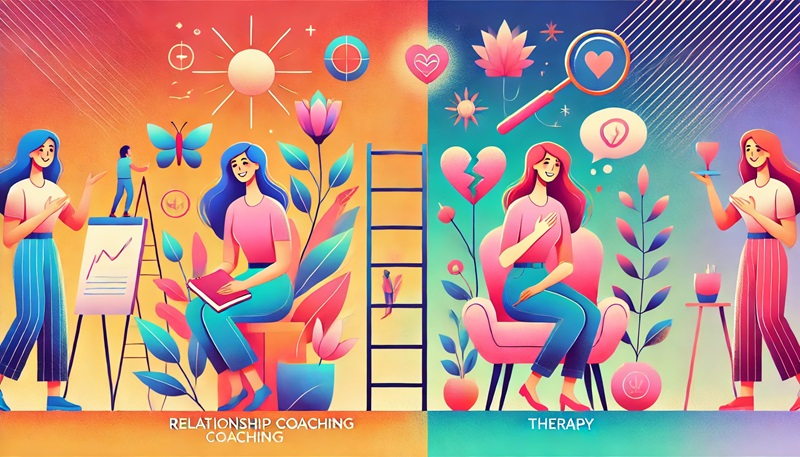
Relationship Coaching Vs Therapy: What’S the Difference?

Relationship-Coaching-Vs-Therapy


When considering relationship coaching Vs therapy, it’s essential to understand that they are different paths for improving your relationships. Coaching focuses on personal growth and setting actionable goals to enhance communication and intimacy. It’s great if you’re looking to improve skills without deep emotional issues. On the other hand, therapy explores past traumas and emotional distress, offering a space to heal and understand underlying issues.


Licensed professionals guide this process, addressing mental health concerns. Depending on your needs, you might choose coaching for skill-building or therapy for deeper emotional work. Understanding these differences can help you make the choice that’s right for you. There’s more to discover on this topic.


Key Takeaways

  • Relationship coaching focuses on personal growth and actionable goal-setting, while therapy addresses deeper emotional issues and past traumas.

  • Coaches typically do not require formal mental health qualifications, whereas therapists must be licensed professionals.

  • Coaching is ideal for proactive individuals seeking to enhance skills, while therapy targets those in emotional distress or struggling with mental health.

  • Therapy often involves exploring underlying issues and healing significant challenges, while coaching emphasizes goal development and improving communication.

  • Coaching sessions are usually more affordable and flexible, while therapy may be reimbursed by insurance but often requires consistent in-person visits.


Relationship Coaching Vs Therapy: Definitions and Credentials

When weighing the benefits of relationship coaching Vs therapy, it’s important to understand the differences between relationship coaching and couples therapy, especially regarding their definitions and the credentials required for each.


Relationship coaching focuses on personal growth and actionable goal-setting, often without the need for formal mental health qualifications. Coaches typically help couples improve their relationships by emphasizing present-focused strategies.


In contrast, couples therapy is conducted by licensed professionals, like LMFTs or LCSWs, who have specific education and extensive training to address emotional distress and underlying mental health issues. Therapists explore past traumas and emotional patterns, providing a deeper understanding of the relationship dynamics.


Knowing these distinctions can guide you in choosing the right support for your needs.


Goals and Objectives

Understanding the distinct goals and objectives of relationship coaching and couples therapy can empower you to choose the right path for enhancing your relationship.


Relationship coaching focuses on developing specific goals, improving communication, and creating actionable plans to enhance intimacy and satisfaction. If you’re proactive and looking to improve your relationship without severe issues, coaching might be your best fit.


On the other hand, couples therapy investigates past issues and emotional patterns, aiming for conflict resolution and emotional well-being through deeper exploration. If you’re experiencing significant challenges or distress, therapy offers a space for healing.


Knowing these objectives helps you find the support that aligns with your relationship needs and aspirations.


Techniques and Approaches

Relationship coaching and couples therapy each bring unique techniques and approaches to the table, tailored to meet your specific needs and goals within your partnership.


In relationship coaching, you’ll engage in goal-setting, creating action plans, and focusing on proactive strategies that foster personal growth and enhance communication. You might even have homework assignments to reinforce your learning.


On the other hand, couples therapy employs evidence-based approaches like EFT or TF-CBT to explore emotional patterns and address past traumas. While coaching emphasizes immediate results and actionable steps, therapy investigates deeper into emotional healing and understanding underlying issues.


Both methods aim to improve your relationship satisfaction, but they do so through distinct pathways.


Target Audience

Identifying the right support for your relationship often starts with recognizing whether you’re looking for proactive growth or healing from deeper issues.


If you’re a proactive individual or couple interested in relationship coaching, you’re likely focused on personal growth and improved communication skills. This approach is ideal for those without severe emotional issues.


On the other hand, couples therapy is designed for those facing significant challenges, emotional distress, or mental health concerns. If you’re dealing with past traumas or pressing relational difficulties, seeking help through couples counseling may be more appropriate.


Understanding these distinctions helps you choose the right path, whether aiming for skill enhancement or traversing deeper emotional landscapes.


Cost and Accessibility

The decision between relationship coaching Vs therapy can be influenced by cost and accessibility factors.


Coaching typically has a lower cost per session since it doesn’t require advanced degrees or insurance coverage. On the other hand, therapy, provided by licensed professionals, often comes with higher fees but may offer reimbursement through insurance plans.


Here are some key points to evaluate:

  • Coaching provides flexible scheduling and can be accessed online, enhancing convenience.

  • Therapy usually involves a consistent session frequency and may require in-person visits, potentially limiting accessibility.

  • Insurance coverage can impact your overall cost, as therapy may be partially or fully reimbursed, unlike coaching.


Understanding these factors can help you choose the right path for your relationship needs.


Frequently Asked Questions


What Is the Difference Between Coaching and Therapy?

Coaching helps you set and achieve personal goals, focusing on growth and actionable steps. Therapy, on the other hand, addresses deeper emotional issues, often requiring licensed professionals to support your mental health and healing journey.


Do I Need a Therapist or a Dating Coach?

If you’re feeling overwhelmed by emotional issues, a therapist’s support is essential. However, if you’re looking to boost your dating skills and confidence, a dating coach can provide practical strategies to enhance your experiences.


How Do I Know if I Need Therapy or Coaching?

To determine if you need therapy or coaching, assess your emotional state. If you’re struggling with deep issues, therapy’s better. For personal growth or relationship skills, coaching might be your ideal path. Trust your instincts.


What Does Relationship Coaching Do?

You might think relationship coaching’s just about fixing problems, but it’s actually about empowering you. It helps you set goals, improve communication, and foster growth, guiding you toward a healthier, more fulfilling relationship.


Conclusion

In your journey toward self-love and empowerment, envision coaching and therapy as two unique paths through a vibrant forest.


As your relationship coach, I’m here to be your guiding light, illuminating new possibilities and helping you set meaningful goals. Unlike therapy, which often delves into the past to uncover deep-seated wounds, my focus is on helping you recognize your strengths and reclaim your power.


You aren’t a victim, nor are you helpless; you’re capable of creating the life and love you desire.


Trust your instincts, and remember that whether you seek guidance or support in building a more fulfilling connection with yourself, you’re taking a courageous step toward embracing your true worth and potential.


Together, we’ll pave the way for a brighter, more empowered future.


source https://www.healfirstcoaching.com/post/relationship-coaching-vs-therapy-what-s-the-difference

Making the Most of Relationship Coach Chat Sessions

Relationship-Coach-Chat


To make the most of your relationship coach chat sessions, start by setting clear expectations together. This creates a focused agenda and builds trust. Foster a comfortable environment, so you feel safe to express your thoughts and feelings. Share your unique needs to guarantee tailored guidance. Arrive with questions and actively participate in the conversation—this engagement can lead to significant breakthroughs. Finally, embrace constructive feedback to enhance your growth.


By following these steps, you’ll deepen your understanding and create a more collaborative experience, setting the stage for meaningful change as you explore additional tools and insights.


Key Takeaways

  • Arrive prepared with specific questions to maximize the focus of your coaching session.

  • Reflect on previous sessions to track your progress and challenges for deeper discussions.

  • Be open to sharing your unique needs and desires to tailor the coaching experience.

  • Actively engage in practical exercises during sessions to apply learned skills effectively.

  • Embrace constructive feedback to foster personal growth and adjust your goals as needed.


Setting Clear Expectations

Setting clear expectations at the start of your relationship Coach Chat sessions can considerably reduce anxiety and create a more supportive environment for both you and your coach.


By discussing the desired outcomes you hope to achieve, you set a focused agenda that enhances the productivity of each session.


It’s important to communicate reasonable time commitments, ensuring both you and your coach understand the investment required for effective progress.


Additionally, acknowledging the limitations of a single session helps maintain realistic expectations, allowing for deeper conversations in future meetings.


This clarity fosters mutual understanding, essential for building a trusting relationship.


When both parties are aligned on goals and commitments, it cultivates a more collaborative and fruitful coaching experience.


Creating a Comfortable Environment

A supportive atmosphere is key to helping you feel at ease during your relationship coaching sessions, allowing for honest conversations about your challenges. To create a comfortable environment, consider the following:


  • Active listening from your coach to validate your feelings.

  • Acknowledgment of the emotional context surrounding your issues to foster understanding.

  • Building trust by ensuring confidentiality and respect.

  • A relaxed setting that minimizes distractions for deeper engagement.

  • The use of warm language to enhance connection and comfort.


When these elements come together, they encourage productive conversations that lead to meaningful insights.


Understanding Client Needs

Clarifying your unique needs and desires is essential for making the most of your relationship coaching journey.


Understanding what you truly seek from coaching helps create a personalized coaching plan that addresses your specific challenges and goals.


As you share your experiences, targeted questions from your coach can uncover deeper concerns and emotional responses, guiding the process.


This dialogue fosters a supportive atmosphere where you feel comfortable expressing your needs.

By actively listening and demonstrating empathy, your coach builds trust, making it easier for you to open up.


Together, you’ll develop an effective action plan that prioritizes your personal development, allowing your coach to help you navigate your relationship challenges more effectively.


Encouraging Active Participation in Your Relationship Coach Chat

To truly benefit from your coaching sessions, it’s essential that you actively engage and share your thoughts, as this collaboration paves the way for meaningful growth and transformation.


Your active participation not only enriches your coaching experience but also helps shape tailored coaching plans that meet your unique needs.


Here are some ways to maximize your involvement:

  • Arrive with specific questions to discuss.

  • Reflect on previous sessions to track your progress.

  • Engage in open dialogue about your challenges.

  • Participate in practical exercises to apply new skills.

  • Be willing to adapt goals based on your insights.


When you embrace this collaborative spirit, you empower yourself to achieve deeper understanding and lasting change in your relationships.


Embracing Constructive Feedback

Embracing constructive feedback can considerably enhance your growth during coaching sessions, as it allows you to better understand your relationship dynamics and refine your communication skills.


When you’re open to feedback, you can identify emotional responses and address specific challenges that may be hindering your progress. This not only fosters personal growth but also aligns with the coaching focuses that matter most to you.


Regularly asking for feedback helps you track your advancements and adjust your goals, ensuring your sessions remain relevant.


Engaging with constructive criticism promotes trust and mutual respect, creating a collaborative atmosphere that’s essential for lasting transformation.


Frequently Asked Questions


How to Make the Most Out of a Coaching Session?

To make the most out of a coaching session, come prepared with specific questions, reflect on your progress, communicate openly, and be proactive in embracing feedback. Your engagement drives personal growth and enhances your experience.


What Makes a Successful Coaching Relationship?

A successful coaching relationship blooms like a garden nurtured by trust and communication. You’ve got to actively participate, share your goals, and embrace flexibility. Together, you’ll cultivate growth and achieve meaningful transformation.


How to Become a Successful Relationship Coach?

To become a successful relationship coach, you’ll need to cultivate strong communication skills, embrace continuous learning, and foster genuine connections with clients. Prioritize empathy and adaptability, and always seek feedback to enhance your coaching practice.


How to Get the Most From a Coach?

To get the most from a coach, arrive prepared with specific questions, set clear goals, communicate openly, take responsibility for your progress, and embrace feedback. This approach fosters growth and enhances your coaching experience.


Conclusion

As your relationship coach, I want to remind you that our coaching sessions are a nurturing space for your personal growth and empowerment.


It’s natural to feel a bit overwhelmed at times, but know that this is a journey towards self-love and strength.


By setting clear intentions and engaging in open, honest communication, we can transform these conversations into powerful tools for your healing.


Embrace each moment, participate wholeheartedly, and welcome feedback as a gift for your growth.

Every session is a step toward reclaiming your power and deepening your connection with yourself.


Trust in your ability to navigate this path; you’re capable of incredible things, and I’m here to support you every step of the way!


source https://www.healfirstcoaching.com/post/making-the-most-of-relationship-coach-chat-sessions

Trauma Bonding: Why Leaving a Toxic Relationship Feels Impossible

Why can't I just leave? I knew the relationship wasn't good for me — and yet leaving felt more terrifying than staying. If you'v...